
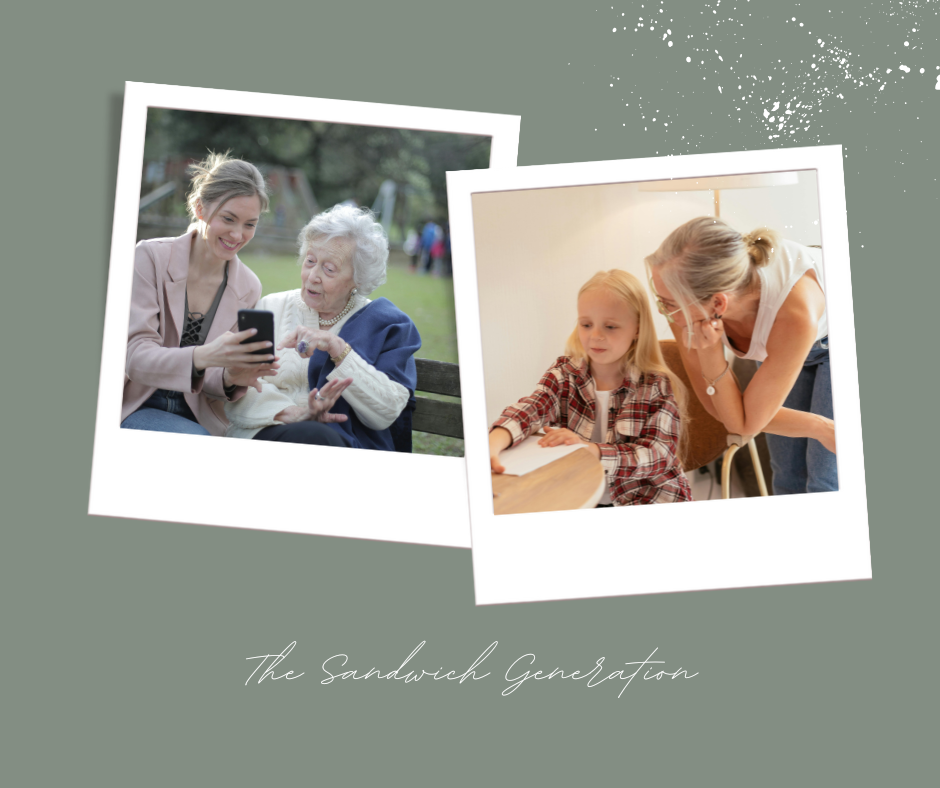
As a sandwich generation caregiver, you’re juggling the complex responsibilities of caring for aging parents while raising your own children. This unique role demands exceptional communication skills and leadership abilities, often leading to caregiver stress and challenges in work-life balance. In this comprehensive guide, we’ll explore how Facilitative Leadership principles can transform your caregiving experience, making it more effective and less stressful.
Understanding Facilitative Leadership in Family Caregiving
![Infographic of 7 facilitative leadership principles for caregivers.]](https://i0.wp.com/bitethesandwich.com/wp-content/uploads/2025/02/7principles_FL2-02.webp?resize=397%2C379&ssl=1)
Facilitative leadership, a concept developed by Interaction Associates, offers valuable strategies for collaborative action. As someone who has been fortunate enough to earn certifications in both Facilitative Leadership and Essential Facilitation, I can attest to the profound impact these teachings have had on my approach to communication and collaboration. Furthermore, I deeply believe in the value of these principles, which have not only enhanced my professional interactions but also shaped how I engage with the world on a personal level.
I’m excited to share these principles with you, as I’ve seen firsthand how they can transform relationships and outcomes in caregiving and beyond. Let’s dive into seven key principles and how they apply to your multigenerational care journey:
1. Focus on Results, Process, and Relationships
Balancing care for parents and children requires attention to outcomes, methods, and interpersonal dynamics. Therefore, you must consider not just the health and well-being of those you’re caring for; but also your processes and family relationships.
Actionable Tip: Create a comprehensive care journal to track health outcomes, daily routines, and relationship quality across generations. Review weekly to maintain balance and manage caregiver stress.
![Comprehensive care journal with multiple sections.]](https://i0.wp.com/bitethesandwich.com/wp-content/uploads/2025/02/pexels-ekaterina-bolovtsova-6193143.jpg?resize=1024%2C683&ssl=1)
2. Seek Maximum Appropriate Involvement
Effective communication strategies for caregivers involve team effort. Involve family members across generations in care decisions to distribute workload and foster shared responsibility.
Exercise: Hold regular family meetings using the “round-robin” technique. Give each family member two uninterrupted minutes to share their perspective on current care situations.

3. Facilitate Agreement
In multigenerational households, managing conflicts constructively is key. Focus on finding common ground and mutually beneficial solutions to address sandwich generation caregiver challenges.
Actionable Tip: When conflicts arise, employ the GROW model:
- Goals: Define what you want to achieve
- Reality: Assess the current situation objectively
- Options: Brainstorm possible solutions
- Way Forward: Decide on concrete next steps

4. Coach for Performance
As a sandwich generation caregiver, you’re not just providing care; you’re teaching and guiding family members to contribute effectively to multigenerational care.
Exercise: Develop a “skills inventory” for your family. In this case, identify each member’s strengths and areas for improvement in both elder care and childcare.

5. Design Pathways to Action
Clear, well-organized care plans are essential for managing the complex needs of multiple generations and maintaining work-life balance.
Actionable Tip: Use a shared digital calendar system to create a comprehensive visual schedule of all care-related tasks and appointments. Color-code entries to distinguish between elder care, childcare, and personal activities.

6. Celebrate Accomplishments
Recognizing and celebrating progress is crucial for maintaining morale and motivation in your caregiving journey, helping to alleviate caregiver stress.
Exercise: Implement a “Gratitude and Wins” practice in your household. Encourage all family members to regularly note down moments of success or gratitude related to caregiving.

7. Collaborative Problem Solving
Harness the collective wisdom of your multigenerational household to find innovative solutions for caregiving challenges.
Actionable Tip: When faced with a complex care issue, use the “6-3-5 Brainwriting” technique for collaborative problem-solving in caregiving.
Effective Communication Strategies for Sandwich Generation Caregivers

1. Active Listening
Exercise: Practice the “Echo Technique” in daily interactions. For example, after someone speaks, paraphrase what you’ve heard before responding.
2. Clear and Concise Expression
Actionable Tip: Create a “Family Care Glossary” (like this one from AARP) that explains common medical terms, caregiving jargon, and family-specific phrases in simple language.
3. Non-Verbal Communication
Exercise: Conduct regular “emotion check-ins” using only non-verbal cues to enhance understanding and empathy.
4. Adaptive Communication
Actionable Tip: Develop communication “cheat sheets” for various caregiving scenarios to ensure clear and effective communication with all parties involved.
Empowering All Voices in the Sandwich Generation Care Network
1. Create an Inclusive Care Environment
Exercise: Implement a “Family Question Box” system where all family members can anonymously submit questions, concerns, or suggestions related to care.

2. Value Diverse Perspectives
Actionable Tip: Use the “Six Thinking Hats” technique in family discussions about care to encourage looking at challenges from multiple angles.
Conclusion: Embracing Your Role as a Facilitative Caregiver

Undoubtedly, navigating the complex world of sandwich generation caregiving is challenging; but by incorporating these leadership principles and communication strategies, you can create a more harmonious and effective care environment. Remember, your role as a sandwich generation caregiver is essential. By embracing these facilitative leadership principles, you’re not just providing care – you’re creating a legacy of compassion, resilience, and family unity that will benefit generations to come.
The insights and skills I’ve gained from these certifications have been instrumental in helping me navigate complex communication challenges, foster inclusive environments, and empower others to contribute their best.
For those seeking to delve deeper into facilitative leadership, explore the wealth of information available at Interaction Associates. Their insights have been invaluable in shaping the strategies discussed in this post and can further support you in empowering people to work together to achieve a common goal.

